
State-Run Mining and Regulatory Sandboxes: What’s in Kyrgyzstan’s New Crypto Law?
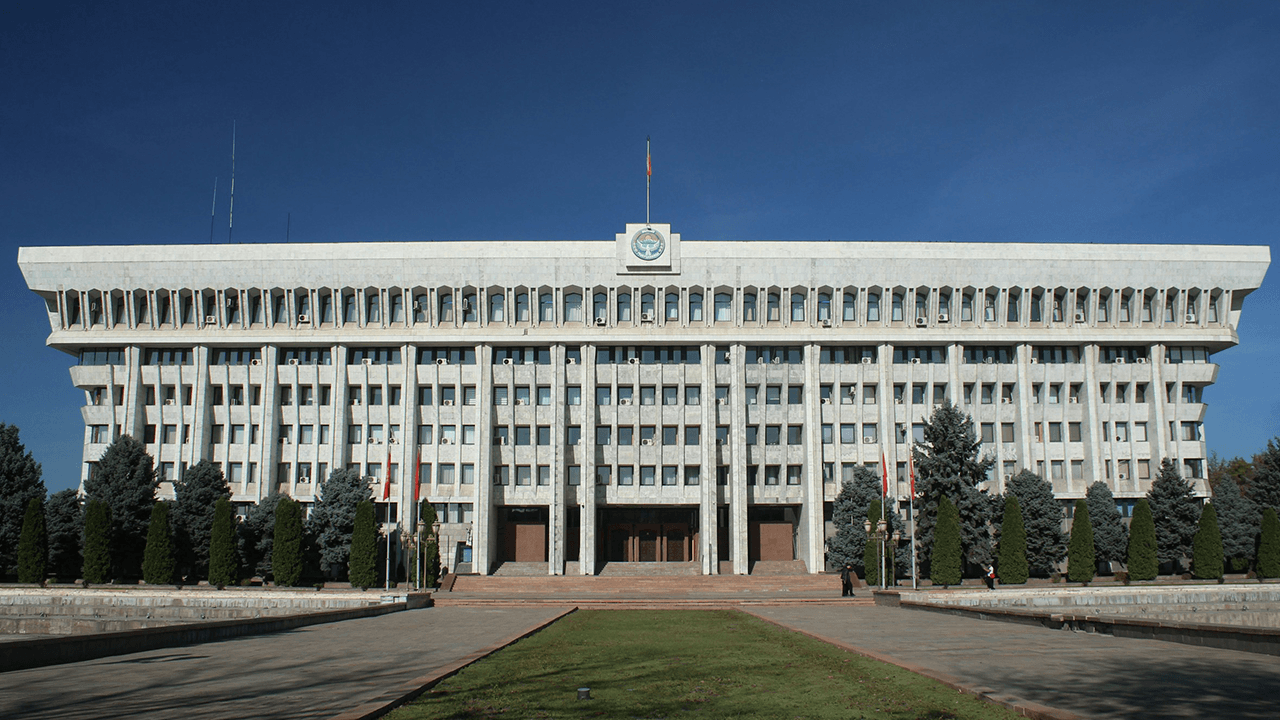
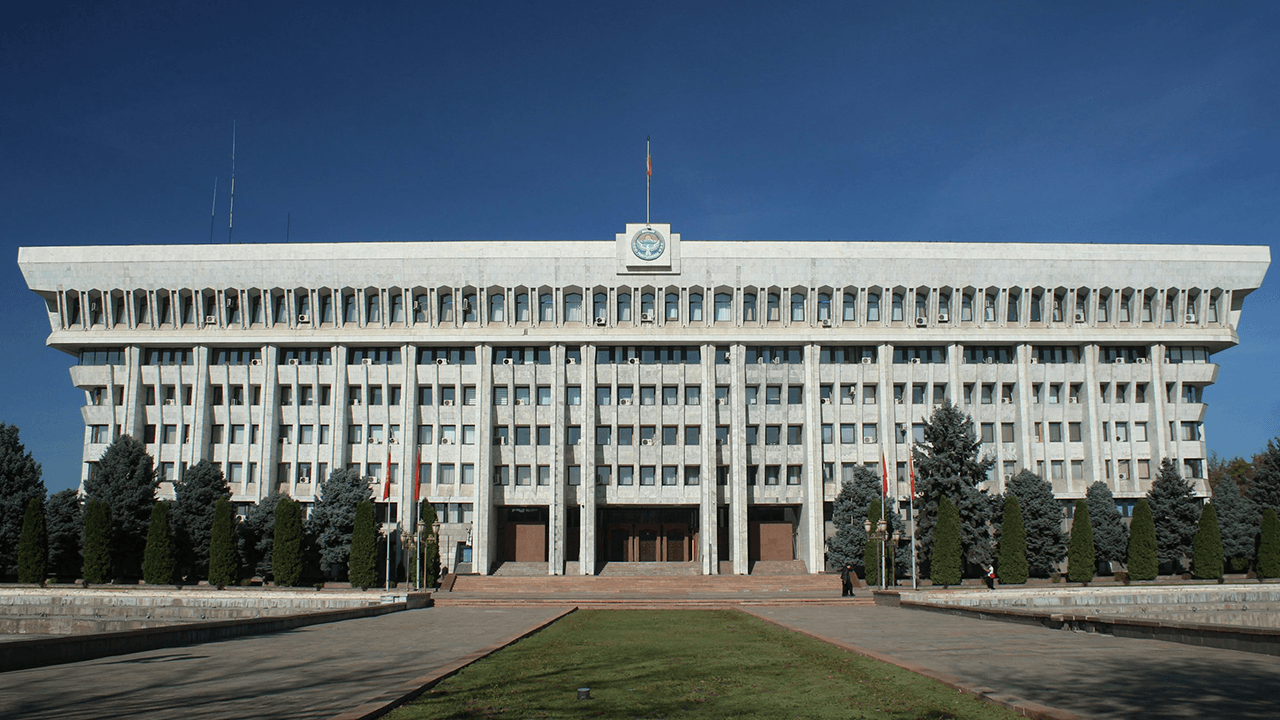
Kyrgyzstan’s parliament has approved a new bill to regulate the country’s booming virtual asset sector, which has seen over $11.4 billion in transactions in the first seven months of 2025.
Key Provisions and Economic Modernization
The parliament of Kyrgyzstan has approved a bill on virtual assets, a move signaling the country’s push into state-backed cryptocurrency mining initiatives and comprehensive digital asset regulation. The bill not only paves the way for a more robust regulatory framework but also introduces a state cryptocurrency reserve and a licensing system.
According to a report, the legislation expands the powers of the president, granting authority to define rules for the issuance, circulation, and oversight of digital tokens. This comes amid Kyrgyzstan’s rapidly growing crypto sector, which reportedly saw over $11.4 billion (1 trillion soms) in transaction volume in the first seven months of 2025 alone. With 169 registered crypto exchange operators and 11 industrial mining companies already active, the bill aims to bring structure and accountability to a booming but loosely regulated industry.
In addition to the regulatory framework, the bill introduces key legal definitions for emerging digital instruments such as stablecoins and real-world asset (RWA) tokens. These additions reflect Kyrgyzstan’s ambition to diversify its financial tools and embrace tokenization as a means of economic modernization.
One of the most groundbreaking provisions is the launch of state cryptocurrency mining operations using government infrastructure. While the initiative is expected to boost national reserves and financial stability, it has sparked debate over energy consumption. Lawmakers have previously raised concerns that mining’s high electricity demands could strain residential power supplies.
To foster innovation while maintaining oversight, the bill introduces regulatory sandboxes—controlled environments where new crypto services and technologies can be tested within limited territories. These sandboxes aim to balance experimentation with consumer protection.
The legislation also delineates responsibilities between regulatory bodies. One authority will be tasked with licensing virtual asset service providers, while another will focus on anti-money laundering (AML) and counter-terrorist financing (CTF) compliance. The bill mandates miner registration, sets equipment standards, and outlines the licensing process for entities engaged in virtual asset transactions.
Kyrgyzstan’s crypto legislation follows similar moves by neighboring Kazakhstan, which is also exploring a national crypto reserve as part of its rapid national digitalization agenda. The Kyrgyzstan parliament’s bill seeks to position the country as a potential leader in Central Asia’s digital asset space and to stimulate blockchain innovation and enhance financial resilience.